Sunday, April 3, 2022

April 2022

*************************************************************************************
WCG IS HIRING!

We're looking for an Assistant Farm Manager (AFM) to help with our teaching farm, maintain our site, and assist our Farm Manager, Mackenzie. The AFM will work up to 15 hours per week at a pay rate of $20 per hour starting in April and running until November, with a possible extension depending on funding.   

Interested candidates should contact Jessica (jessica@growwilliamsburg.org) or Charlie (charlie@growwilliamsburg.org)

*************************************************************************************

Accessible plot available

While all regular plots at the Garden are now filled for the 2022 growing season, there is still one small plot available for someone who may have mobility issues. This plot is the result of a grant to provide accessible gardening space and it is located near the rear gate. The dues are $35 for the season. If you know someone who loves to garden but needs a little support, please have them contact me, Barbara Arnold, at barbara@growwilliamsburg.org.

*************************************************************************************


Welcome New and Returning Gardeners and Volunteers!

2022 marks the beginning of our seventh year of gardening and farming on this site. It seems like only yesterday when six gardeners (most of whom are still here!) started amending the soil in preparation for growing. One of those gardeners, Bill Wallace, has taken soil amending to new heights, using Starbucks coffee grounds, shredded newspaper and who knows what else to grow some of the largest and sweetest veggies in James City County. New folks should visit his garden– easy to find, just look for the sign: “Bill’s Garden.” Barbara Arnold has pointed out a number of improvements we have made over the last year below. Two major improvements, our Partners Path and new fence, were made possible by support from Williamsburg Community Foundation and the Williamsburg Health Foundation.. When you have a chance take a stroll on the path to “Robert’s Bog” and enjoy our new patio– shading to come! And of course the funding would not have happened without the efforts of our Board President, Pam Dannon and our President-Elect, Jessica Stephens. 

Our Teaching Farm has also come a long way in six years. The row crops within our fenced area and beyond are maintained by volunteers, coordinated by Liz Callan, and supervised by our Farm Manager Mackenzie Perkins. This area allows beginning gardeners to learn from experts and provides fresh produce for our farm stand and CSA subscription service. In addition fully half of the produce is donated to local food pantries and other local organizations. In six years we have grown nearly 10 tons of produce, and in 2021 volunteers– including high schoolers, college students, and other community members– logged more than 6,500 hours learning on the teaching farm. 
Watch for this online newsletter monthly. There are articles about pest and disease issues, tips from our own gardeners, and updates on site improvements. Many thanks to Barbara for keeping it going!
See you in the Garden!
Charlie Morse
Executive Director


Baby blanket made for Laurie Wehle (l) by June Skalak (r) from a picture of one of Laurie’s cabbages.


Cold-weather plant sale.

We were finally able to hold our plant sale on March 19 after a weather delay. Most all of the plants were sold and many made their way across the street and into our CG’ers gardens. Thank you for your support. Hope you enjoy the broccoli, etc.


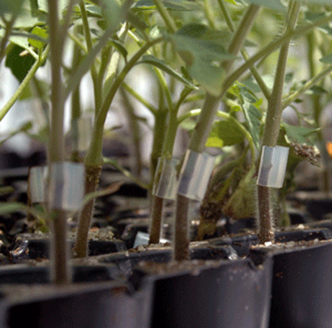
This is where all the plants get ready for your plot-- the WCG Greenhouse!


Warm-weather plant sale.

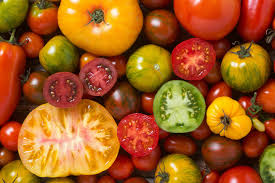
Wonderful tomatoes, peppers, and eggplant are growing in some of our basements to be ready for sale on Saturday, May 7, Mother’s Day weekend. See below for a listing of what varieties will be available.  


State of the Garden

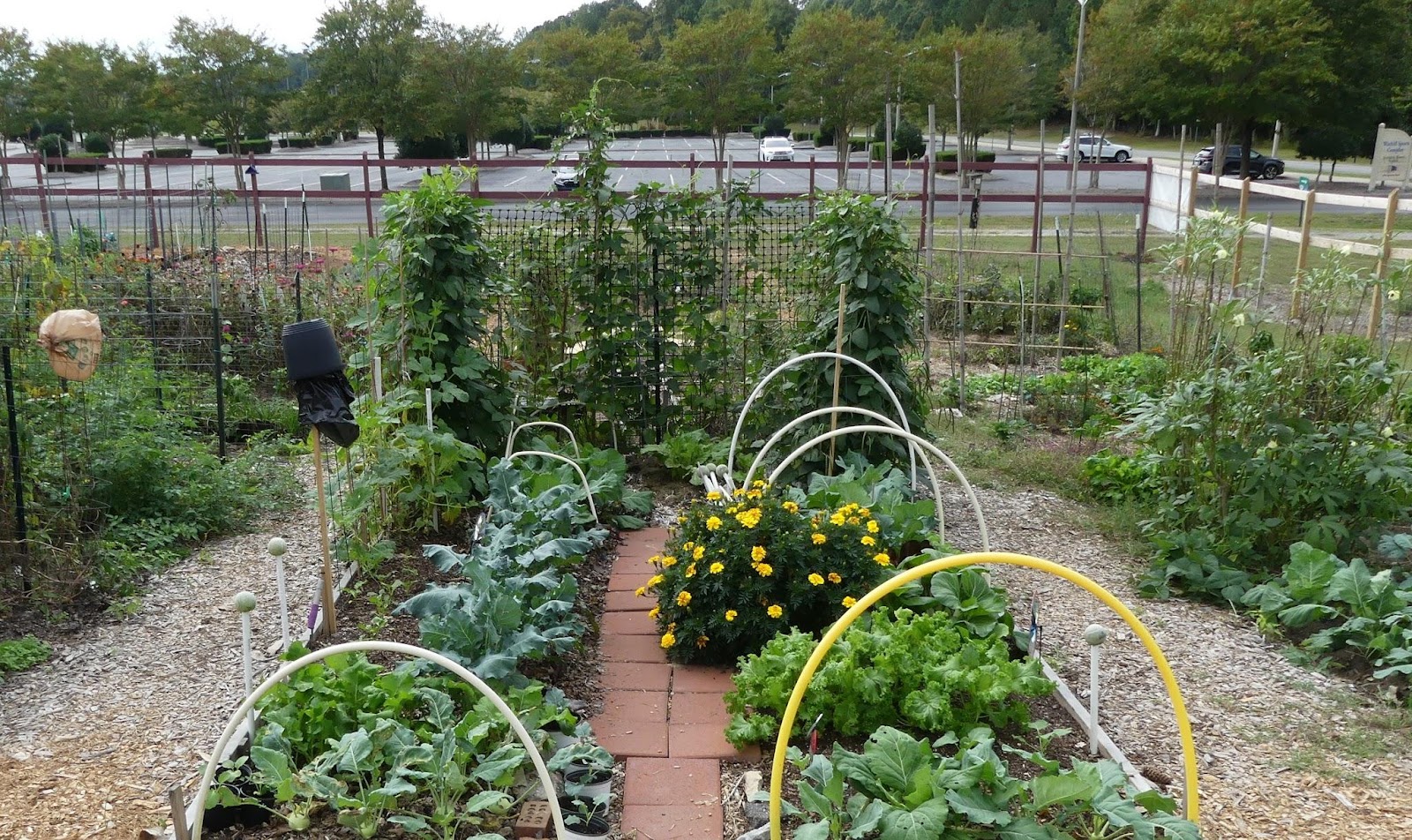
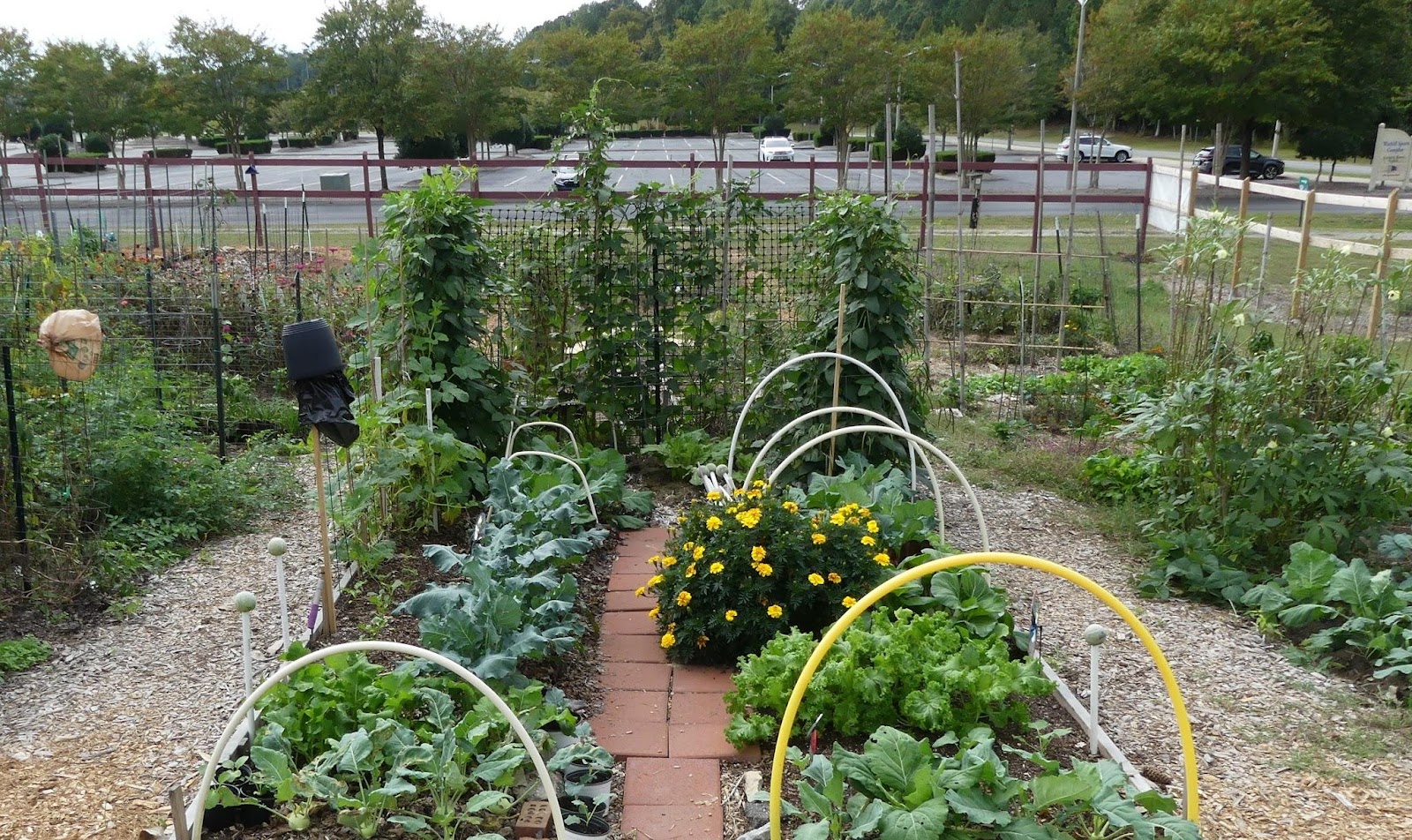
You will have noticed some recent improvements to the Community Garden over the winter.

  • The last 2 sides of the permanent fence have been completed. The new wood will have to cure before it can be painted. Plans are underway to secure the base of the fence with hardware cloth sunken below ground level to protect against inquisitive critters.

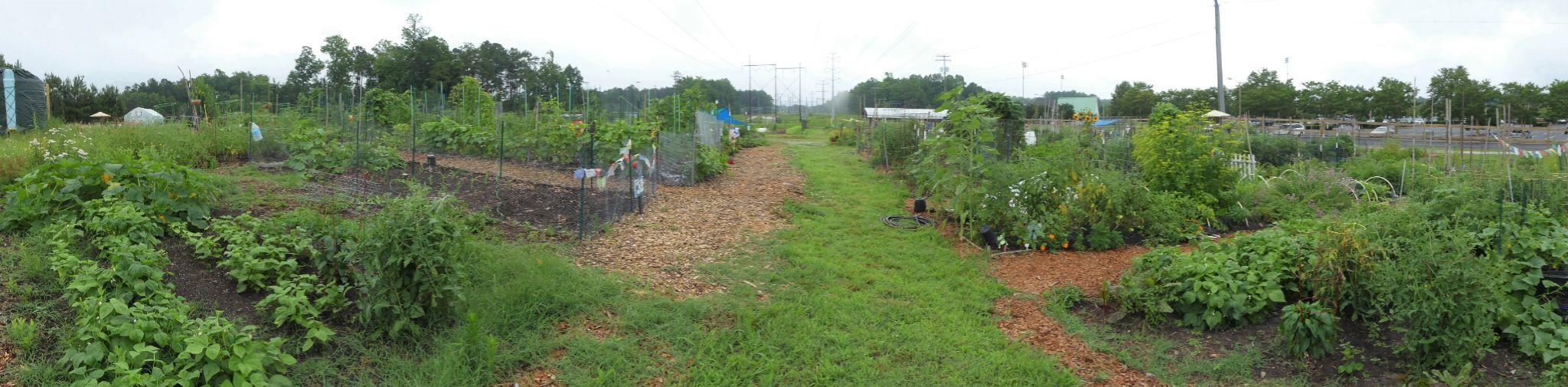
  • With the moving of the fence line, we have added 7 new 10 X 10 plots. The Garden is now at capacity with a total of 35 new gardeners for 2022. We have a total of 84 plots of various sizes and more than 100 gardeners in our community.

  • The Partners Path and a brick patio have been constructed to allow visitors to stroll through and enjoy our rain garden and water feature. Also along the path are planting boxes that have been constructed by Eagle Scout candidate Gracen Nelson and will house an herb collection. Flowers will be planted along the path near the front entrance and the back gate.

  • We have received a huge load of horse manure from a board member. It has been deposited in the field beyond the porta potty to compost before we can bring it into the garden. We received a 10-yard delivery of compost from the county (it is almost gone!) and it is unclear whether we will be able to get more from them. They also gave us 40 yards of fine hardwood mulch. Once again, we have been fortunate enough to have raw wood chips available from a local arborist.

  • Reminder, please do not plant mint in the Garden. It is incredibly invasive


Spring Report from Farm Manager, Mackenzie Perkins


Hey there community gardeners! I'm excited to share with you all the new things that are happening on the farm! We've extended the deer fencing in the far field and added a ton of new beds to grow vegetables for donation, our subscription service (CSA), and farm stand. Final count to be determined but it's looking like 15-20 new beds in all. The plan is to use that extra space to increase quantity of all the crops, incorporate more succession planting into the farm schedule and give more space to winter squashes, watermelons and cantaloupe. New crops this year (some in small quantities, more of trial run) include fava beans, Lima beans, black eyed peas, snow peas, snap peas, peanuts, and celery. 


We have a spring CSA (Community Supported Agriculture) subscription service this year, running from April 16th - June 18th. Ten weeks of fresh veggies picked up by subscribers every Saturday for $250 and and we still have a few spaces available if anyone is interested in participating. It's a very early start to the season, which is definitely a challenge, but we have lots of fresh salad greens already planted and putting on size, some overwintered greens, flats and flats of seedlings were planted last week with many more going in this week, and direct seeded beets and peas have sprouted, just waiting on the carrots to sprout. So greens will be featured heavily in the beginning and transition to root crops and legumes and just a long list of cooked greens and Asian greens and cabbages and broccoli to follow. We'll have a fall CSA as well, dates to be decided. 


The farm stand is slated to open April 16th!


We'll have three paid interns this summer and will be accepting applications soon from junior and senior high school students, so if you know any likely candidates please send them our way. Interns will work 10 hours a week and split their time between general farm work and a project of their choosing funded by the Farm to School grant we received last year through the USDA. 


We have a walk-in cooler in the works! All credit to Charlie with lots of help from David Sobash, Brock Reggi and Robert Reining. The structure itself is complete and Charlie is currently working to upgrade our solar power to keep it cool. It's very exciting and will be so helpful to keeping produce fresh for delivery to our donation partners. We'll be continuing donations to Grove Christian Family Outreach, St. Olaf's Food Pantry, and we're adding a partnership with Olde Town Medical Center. We'll also be donating to Warhill, Lafayette, and Jamestown High Schools. 


We have had A LOT of volunteer involvement lately to our regularly scheduled volunteer days and have large groups scheduling visits as well. We have a small group from William and Mary that comes every week and we've had boy scouts, girl scouts and church groups visiting recently as well. And thanks to Eagle Scout Candidate Denis Fulks and friends we now have a new shed for storing materials for the farm. Many hands make light work! I'm very much looking forward to spring and I'm sure you all are too!


Mackenzie
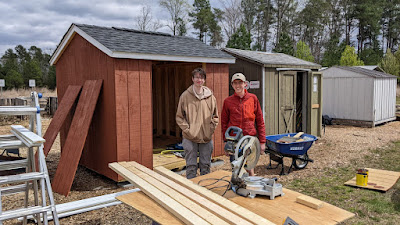

Denis Fulks (left), Eagle Scout candidate and helper Luke Bascom


What to plant now?


Reminder that we are considered Zone 7b and our last spring frost usually occurs between April 5 and April 15. This is not a guarantee, however, and last year we had a killing frost in May. Remember that our micro-climate is considerably colder than many areas nearby thanks to our winds. 


There is an excellent guide for when to plant in our area from the Virginia Tech extension and it can be found here:

https://www.pubs.ext.vt.edu/content/dam/pubs_ext_vt_edu/426/426-331/SPES-170.pdf


Between now and April 5 here is what is “safe” to plant:


                    As seeds: beets, carrots, peas, potatoes, radish, turnips

As transplants: kohlrabi, mustard, broccoli, cabbage, cauliflower, leeks         As seeds or transplants: swiss chard, kale, collards, onions, spinach, lettuce


Wednesday, January 19, 2022

January 2022

Missing the Garden?


As the Garden sleeps, the WCG staff is still at work (maybe not so hard) looking forward to the 2022 season. The Contract for this year is ready to be published, once it has Board approval, and will be sent to your email this month. 

Changes to the Contract from last year include:

Dues will be raised $5, to $35 for a 10 X 10 plot and $50 for a 10 X 20, for the season.

Required volunteer hours for Gardeners have increased from 4 to 6 hours for the season.

Gardeners must return their signed contract by  February 15 with dues. An orientation meeting will be announced at which dues may be dropped off in person. There are currently 24 people on the waiting list, so if you know you will not be returning, please let me know as soon as possible so I can try to accommodate as many on the list as possible.

The Garden will officially open on March 5, which will also be the date for our cold-season plant sale. We hope our Gardeners will buy veggie plants from us to support the Garden and the Farm. The warm-season sale will be held May 6. A list of the plants that we will be growing can be accessed at the link below, so you won’t have to order seeds for the plants that we will have available. 

Plant Sale Plant Descriptions

So looking forward to seeing all of you once the weather warms!

Barbara Arnold

Community Garden Coordinator


Name Our Hawk contest winner!

Congratulations to Kay Clapp for submitting the winning name for the red-tailed hawk that has adopted our garden. The name chosen by the WCG Board from all submissions is Skylar! Kay, your prize is eternal bragging rights!


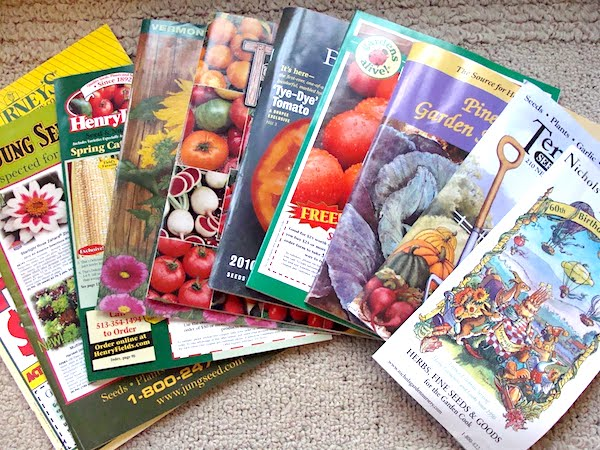
Seed catalogs 2022

Chances are, if you are in any way connected to gardening, you will have begun to receive seed and plant catalogs in the mail by now. What can be more comforting on a cold, dark winter day in the throes of a pandemic than to curl up in a chair with a hot beverage and dream about the lovely, delicious vegetable plants you will grow this year? And flowers!! The pictures in the catalogs are so beautiful and you find you want ALL of them!

Why order from seed catalogs? Aren’t there plenty of seeds to buy in the garden stores? And lots of plants already growing that can be just plunked into the ground? But sometimes you may want a specific type of plant that you know to have been successful in your garden before and the only reliable way to assure you can get that plant is to grow it yourself from seed. And the seeds offered at the big box stores and even at nurseries, cannot have the variety that is available from all these seed catalogs.

Also, seed catalogs have great pictures and descriptions of the plants and instructions about their cultivation.

Here are some commentary from Community Gardeners about their favorite seed catalogs:

Jessica Stephens, Vice President of WCG:

My favorite seed catalog is from Baker Creek (rareseeds.com).  They do two catalogs per year- one's free, the other is $10 because it is over 500 pages!!!  I love the large catalog because this seed company seeks out seeds from all over the world and has introduced me to new varieties that I'd never dreamed of- I can find seeds from similar climates to ours and try them here. Their seeds always germinate for me and the prices are good.  I've had great success with chinese radishes, japanese mizuna, and will be trying asian cucumbers this summer. 

Sally Hewitt, Community Gardener:

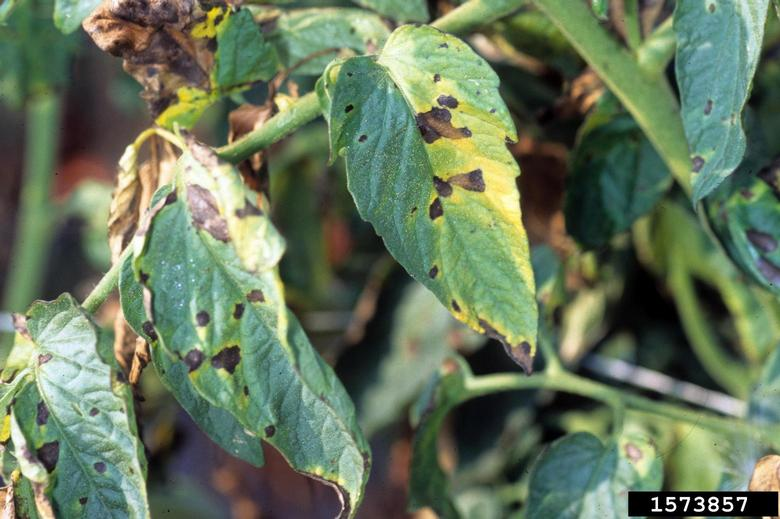
If you are like many of us that experienced problems with Early Blight on your tomatoes last year, seed catalogs offer quite a few hybrids that are disease resistant as well as some that are bred to produce well in hot and humid conditions like ours. For example:

Southern Exposure Seed Exchange 

Druzba- sweet and juicy slicer 

Eva Purple Ball-purple excellent flavor 

Geranium Kiss- dwarf container 

West Va. 63- red excellent flavor 

Yellow Centiflor- gold cherry, a cross of Sun Gold and Red Centiflor 

Totally Tomatoes 

Regal-high yield slicer with old fashioned flavor 

Galahad Hyb- large and tasty, good fresh, canned or sauced 

Seeds ‘N Such www.seedsnsuch.com

Regal Plum- meaty red and flavorful 

Defiant- real tomato flavor and high yielding with early blight resistance VFFEbLb

Heatmaster Hyb-deep red flavorful and sets fruits into the mid 90’s 

Arkansas Traveler- reddish pink high quality fruit, setting fruit in hot humid days


Carol Fryer Community Gardener, Master Gardener: 

My favorite seed companies : 

Baker Creek Heirloom Seeds,  www.seeds.comThey have the most luscious photos and in-depth information about their vegetables. .

 Johnny Seeds , www.johnnyseeds.com is popular; they have good photos for their vegetables, but not as much information about each variety. 

 Both companies have a good reputation and good quality seeds. 


Randi Helpinstill, Community Gardener:

I pour over a few seed catalogs but my go to ones are Southern Exposure Seed Exchange for veggies and The Gardeners Workshop www.thegardenersworkshop.com  for flowers. For me, both give the “Goldilocks”-just right- amount of advice on all the seeds they carry, including germination, planting, and harvest tips.  Both are established VA companies who continuously update their catalog offerings with honed expertise suited to our growing conditions.  I trust their seeds and their customer service earns high marks!

Below are some other catalogs  with contact information with editorial comments

Southern Exposure Seed Exchange  www.southernexposure.com/ Mineral, VA Local company, employee owned, most likely to have varieties suitable for our conditions.( Mostly heirlooms vs. hybrids. Tom. packet , 40 seeds- $2.75)

Jung  www.jungseed.com/ Randolph, WI Good selection, good quality seed. Lots of garden supplies offered.( Hybrid tom. seed packet , 30 seeds - $4.15)Offer plants and grafted plants ($10.95)

Johnny’s Selected Seeds  www.johnnyseeds.com/ Winslow, ME Good quality product, higher prices,(hybrid tom. seed packet - $4.95)

Totally Tomato  www.totallytomatoes.com Randolph WI Large selection of tomato seeds, some other veggies also.( Hybrid tom packet, 15 seeds - $4.25)Offer plants and grafted plants ($10.95) 

Burpee www.burpee.com Warminster, PA The big daddy of catalogs. Beautiful pictures, lots of variety. Lots of supplies.Expensive. (hyb. Tom. packet, 30 seeds, $5.95) Plants, but no grafted plants.

Seed Savers exchange www.seedsavers.org Decorah IA Not for profit preserving heirloom varieties. Really nice catalog. Lots of information.

PineTree Garden Seeds - www.superseeds.com -New Gloucester ME Not a flashy catalog, but lot’s of variety. (Hybrid - 15 seeds - $2.25) Offer soap making supplies, teas, books, mushrooms.

Bakers Creek Heirloom Seeds - www.seedsavers.org -  Mansfield, MO Reviewed above (heirloom tom. - 25 seeds, $3.75)

Territorial - www.territorialseed.com - Cottage Grove, OR Large catalog with tons of gardening information. Really informative. Lots of supplies. (heirloom tom. -⅛ gram - $4.95 - 40 seeds?) plants and grafted plants - $9.95 - double grafted - $16.25

Gurney’s Seed & Nursery www.gurneys.com Greendale IN Known initially as a fruit tree supplier, has developed a number of their own varieties of vegetables. (hyb. Tom. - 30 seeds - $5.99) plants available.


PEAS BE WITH YOU 

By Marty Mathes

The first record of wild peas was at least 23,000 years ago while the domestication was noted about 11,000 years ago.  Currently, these developments have resulted in cultivation of an excess of 5 million acres of peas.    The current vast array of varieties is well over 1000.

Your recent cascade of seed catalogs indicates that it is time to plan your early spring and summer garden planting.  You can start with crops which will survive "spring" frosts. My favorite is sugar snap peas.  In general, these peas can be planted around the first of March.  They are hardy, vigorous, high yielding and gastronomically versatile . These peas are usually trellised. The trellis can be used for later crops, such as cucumbers, etc., since the peas mature early.

Snap peas, also called sugar snap, are the result of a cross between snow peas and green peas  This hybrid was introduced in the 1970's.  It is characterized by a crunchy, sweet pod which does not require shelling.  In France these peas are referred to as Mange tout, meaning “eat it all”.

Peas are a good source of vitamins, proteins and carbohydrates. They also fix nitrogen in nodules in the soil with associated bacterial benefits. Sugar snap peas may be eaten raw or cooked. You can find 21 cooking recipes at Tastehome.com  

The Vermont Bean Seed Company www.Vermontbean.com Randolph, WI offers these varieties:

 "Mammoth Melting Sugar.  75 days.  Vining.  Snow Pea.  Heirloom variety with a distinctive, meltingly sweet taste.  Hardy vigorous plants grow over 5' feet tall and require support.  Begins bearing early about 63 days after planting. and the more you pick, the more it produces.  Thick stringless, flat pods are 4-5' long.  Ideal for kitchen gardens."

" Super Sugar Snap.  70 day.  Snap Pea.  Versatile snap pea- eat them at any stage.  Sweet, crisp, tender, juicy pods are delicious whole, or shell them and use like regular garden peas. Productive, 5" tall plants display incredible cold tolerance (down to 20 degrees F.) as well as heat tolerance.  Resistant to powdery mildew.”

I hope to see you on March 1 in your potential pea patch.  To pea or not to pea.


Key to disease resistance/Tolerance in tomatoes.

If you have wondered what the alphabet soup of letters on plant labels or seed descriptions means, here is a key to help you. Simply find the letter that matches the disease that you are trying to avoid and look for that letter on your plants or seeds. Planting resistant varieties of vegetables is one good way to break the “susceptible host” side of the disease triangle. (See the October, 2021 issue of What’s Growin’ On)

HR  = High resistance

IR = Intermediate resistance   

AB -    Early (Alternaria) Blight

B -        Bacterial Wilt

Eb -     Early blight

F -    Fusarium Wilt

FF -    Fusarium Wilt Races 1.2

FOR -    Fusarium Crown and Root Rot

L -    Gray Leaf Spot

Lb-    Late Blight

LM -     Leaf Mold

N -     Roundworm/Nematode

PM -     Powdery Mildew

RK -     Root Knot

TMV -     Tobacco Mosaic Virus

ToANV -    Tomato Apex Necrotic Virus

ToMV -    Tomato Mosaic Virus

TSWV -     Tomato Spotted Wilt Virus

TYLCV -     Tomato Yellow Leaf Curl Virus

V -    Verticillium Wilt


Learn more about Organic Pest Prevention

Community Gardener Kay Clapp sent in the following information a class you may be interested in taking:

Elvin and I took a zoom class presented by MG of Northern VA last week and it should be available shortly on their website. ...MGNA.org

Pest and Disease in the Garden: Organic Prevention with Kristen Conrad as the presenter.  There were excellent suggestions as we think about planning our gardens in the next growing season, photos of both pests and diseases we fight, and solutions for them.  (They talk about 20% and 40% vinegar use and explain that household vinegar (5%) won't do the trick.)


Monday, October 25, 2021

October 2021


Fall is finally here at the Garden. The weather has been cooler and we have had some nice rains. Many of you have planted fall crops, like broccoli, chard, and kale with hopes of harvesting through the fall and winter.


The Official close of the garden will be Saturday, November 6, which is also the date of our last Work Party from 9-11. After this date, water will be cut off at some point as the temperatures drop and we are no longer able to refill our cisterns. But Gardeners will still be able to work their plots, if interested. 


Community Gardeners who will not be gardening over the winter are asked to please have their plots cleaned up by November 6. You are asked to dispose of all weeds and other plant material, being especially cognizant of removing any diseased debris and placing it into the correct bin in the compost area. Please disassemble and consolidate your structures as much as possible, being careful not to create habitat for pests. Once the new “crop” of fall leaves begins arriving, you will want to consider covering your soil with this wonderful mulch, which can then be turned in to help amend the soil in the spring.


Hope to see many of you at the Garden for the final clean-up on November 6.


Our Garden Mascot


We have a Mascot who has taken up residence near our Garden! He/she is a magnificent hawk, though the exact species is still under discussion. Check out the beautiful pictures, provided by CG’er Elvin Clapp, including one with the hawk snacking on a nasty old grasshopper!


Can anyone come up with a good name?


TO BEE OR NOT TO BE

By Martin Mathes   Professor emeritus, Department of Biology  College of William and Mary

All higher plants require a means of pollen transfer (pollination) to ensure the production of seed for a future generation.  Pollen transfer methods include, most importantly, insects.  Of the insects, bees are by far the most important.  Many crops are dependent on the presence  of a significant population of bees to complete the formation of seeds and fruits.  

As a result of decreased bees  (native and  introduced) in the environment, many crops require mobile hives to be placed in the fields and orchards to ensure maximum yield.  Decreased pollination is a critical environmental factor which must be addressed

Bee populations have dramatically decreased, from  an estimated 10% to as high as 30%. Approximately 10 million hives have been lost during  the last decade.  Factors associated with bee hive demise include:  

  • Broad spectrum (including bees) insecticide

  • Colony collapse disorder

  • Parasites and pathogens including mites

  • Reduction in the lifespan of the queen.


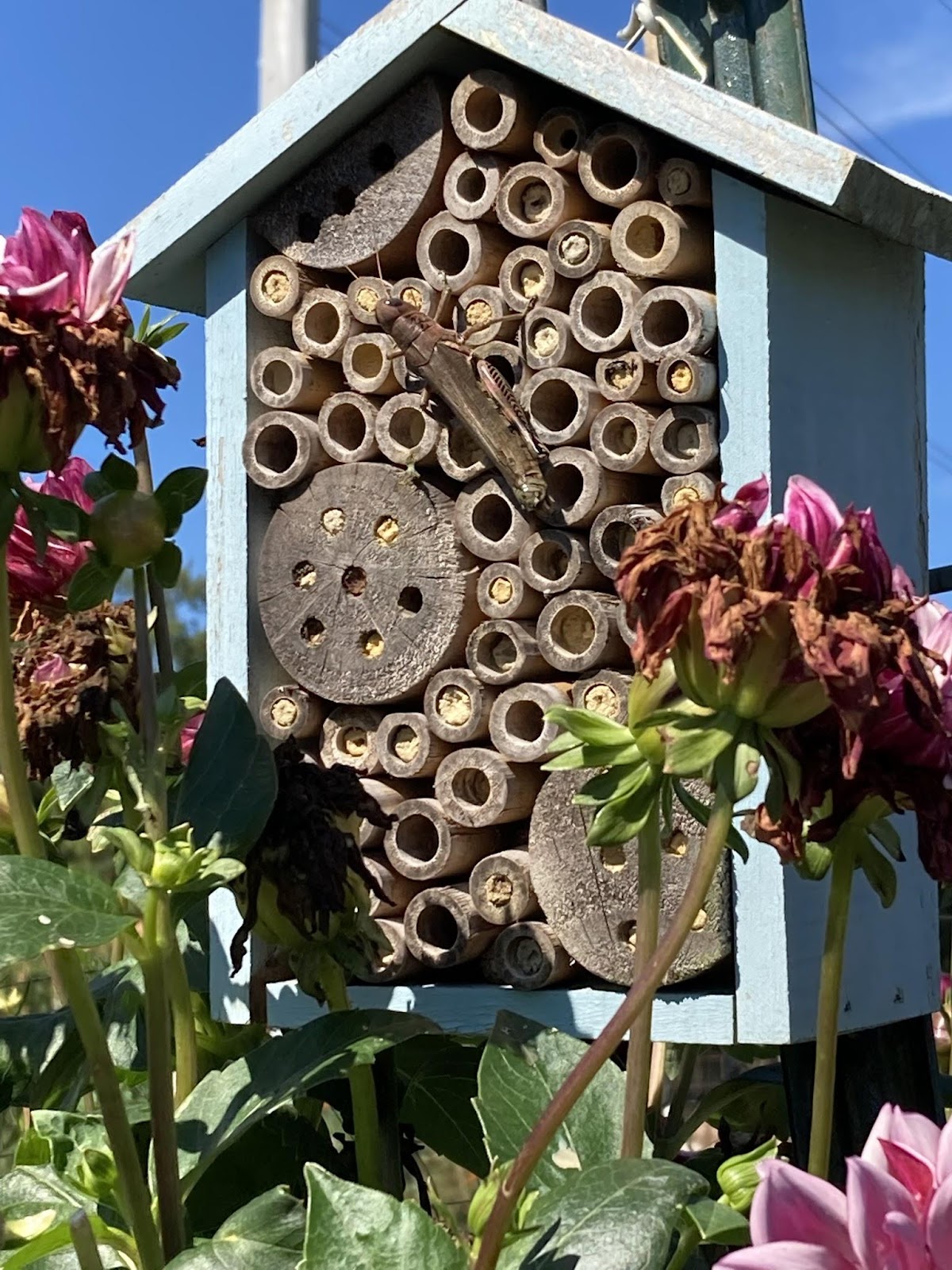
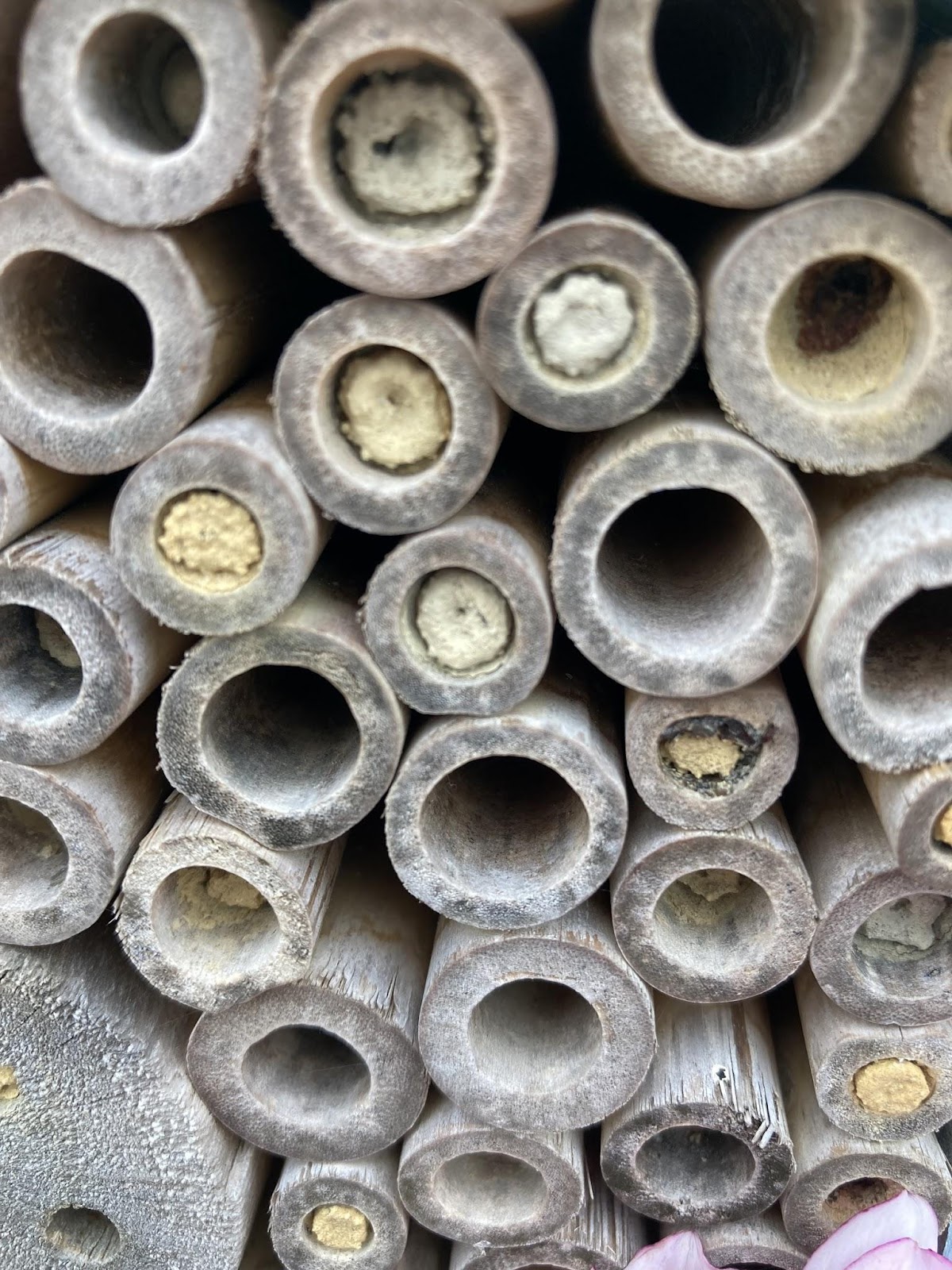
The maintenance of pollinator insect populations continues to be a serious environmental concern  We can do our part to support our local pollinators by providing habitats for beneficial insects.  "Bee" houses provide a favorable climate to encourage garden populations.  A variety of native bees and wasps will find a suitable home in these artificial houses.  A wide variety of abodes are available on-line and a wide array of construction plans are outlined.  Specifications include  hole size (4 to 10 mm), shading and orientation. Building your bee house would be a great winter time garden family  project which could be followed  throughout  the growing season.  We could all make a small contribution to increase the quality of our environment.  Albert Einstein predicted - "if the bees disappear, man would have only 4 years to live"


Disease on my plants! 

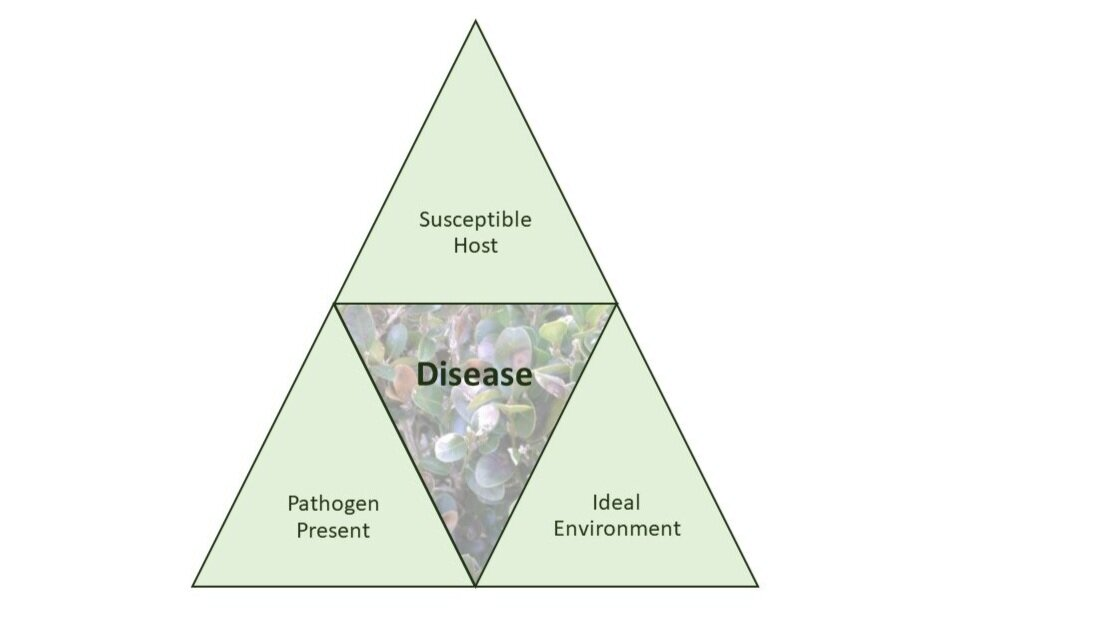
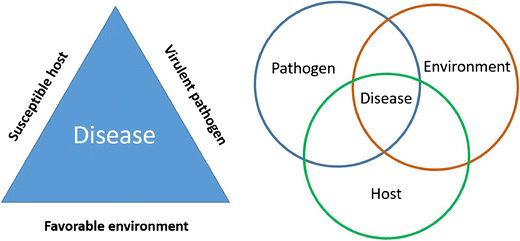
Many of you have been vexed this growing season with diseases on your plants. One way to think about how to better control these diseases is by considering the disease triangle, a model of what diseases need to have in order to survive and thrive on your plants. Below is an article published by the land grant college, Iowa State, that explains the disease triangle clearly. As you read, consider how this could be helpful in controlling diseases in tomatoes.


It takes Three To Make a Plant Sick


The first “side” of the triangle is so obvious it may be overlooked. In order to have a plant disease, you must have a plant. More specifically, you need a susceptible plant, one that is able to get a particular disease. Each plant species is prone to a unique set of maladies. Crabapples and oaks get different diseases. Within a species, plant varieties differ in their susceptibility to various diseases. For example, some crabapple cultivars are decimated by apple scab while others are unaffected. The overall health and vigor of an individual plant also affects its susceptibility to disease.

The second “side” of the Plant Disease Triangle is also simple. Besides a susceptible plant, there must be an organism that can cause disease, or a pathogen.  Most plant pathogens are fungi, which can cause leaf spots, root rots, mildews, wilts,and a variety of other symptoms.  Besides fungi, bacteria, nematodes (microscopic worms) and viruses are other examples of common plant pathogens.

The third “side” of the triangle is perhaps the least obvious, but it is crucial.  The susceptible plant and the pathogen must interact together in a favorable environment in order to result in plant disease.  For many fungal diseases, “favorable environment” means warm and wet. But some diseases are favored by cool weather, dry conditions, or a certain soil pH. Each disease is favored by a slightly different combination of humidity, temperature and other environmental factors. Even when a large population of a pathogen is present on a susceptible plant, there will be no disease unless the conditions are just right.

How can we use this knowledge to manage plant problems? Because three things are necessary for plant disease, we can prevent disease in our gardens by altering any one of the three factors.

For example, we can reduce the impact of the host plant by choosing disease-resistant varieties or species that are relatively disease free. Several varieties of lilac are available that are resistant to powdery mildew. Maintaining good plant vigor through proper watering and fertilizing will also make plants less prone to disease.

Alternately, we can attack the pathogen side of the triangle. The pathogen can be reduced by removing debris and weeds where it may survive, rotating crops so that pathogens do not survive year to year on the same crop, or controlling insects that may carry the pathogen. In our lilac example, we could remove diseased debris at the end of the growing season, or use fungicides to reduce the amount of the pathogen on the leaves. 

The environment can be managed in many ways to reduce disease. Humidity and leaf wetness are often conducive to disease, and these can be minimized by spacing, staking and pruning plants to promote airflow. We can remove weeds that impede airflow. We can change watering practices, avoiding overhead watering that increases leaf wetness, and watering in the morning rather than the evening so leaves have time to dry out before night. In our lilac example, spacing the bushes to maximize airflow between them and planting them in full sun can help to minimize humidity in the canopy, thereby reducing powdery mildew problems

By understanding that three things are required for plant disease--host plant, pathogen, and favorable environment--we can use a three-pronged approach to manage plant diseases. 

https://www.extension.iastate.edu/news/2007/jan/071001.htm


Garden Grower-- Rajesh Keloth


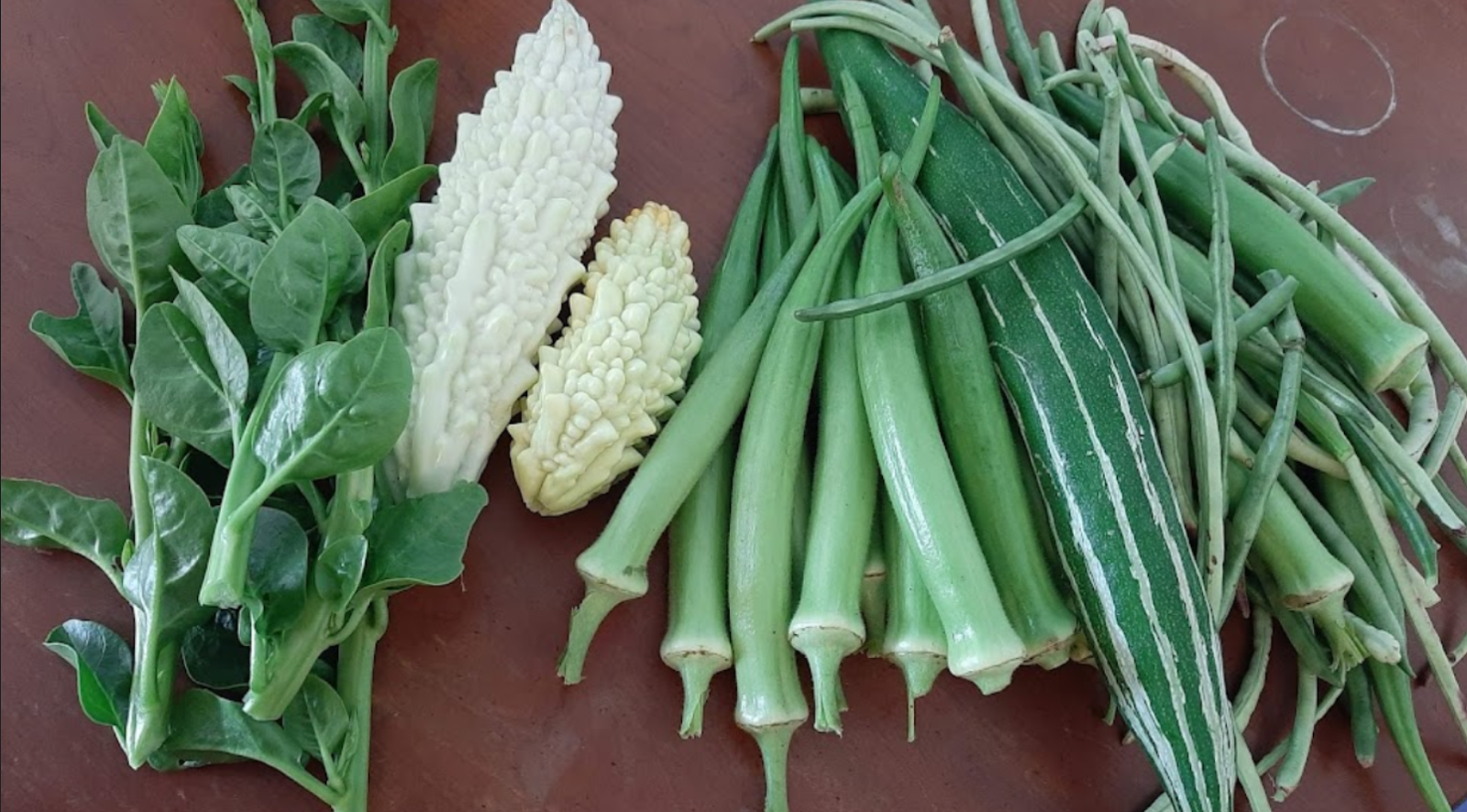
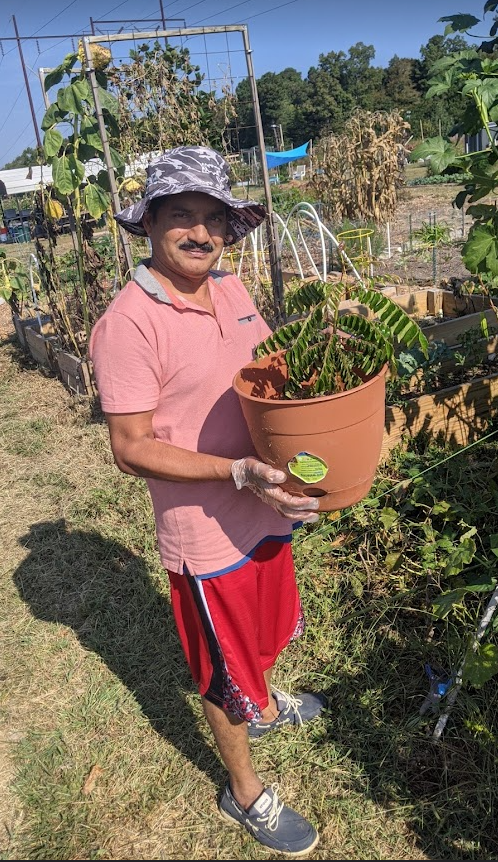
Perhaps you have seen some unusual vegetables on the Google Search Page for WCG. (see below)  These were proudly uploaded by Rajesh Keloth, one of our Community Gardeners. Rajesh and his wife, Sindhu Kokoth, came to Williamsburg 18 months ago to work in healthcare at Eastern State Hospital. Before that they spent 15 years in the country of Dubai, where Sinddhu worked as a nurse and Rajesh was a fire and safety inspector.


Having settled in Spotswood Commons Rajesh was overjoyed to find that a community garden was nearby where he could grow some of the vegetables that he knew and loved growing up in the State of Kerala, India. Some of these include Indian okra, bitter guard, snake guard, long beans, and malabar spinach. Can you identify them above? If not, Rajesh will happily point them out to you when you see him in the garden! Asked about the many places he has lived Rajesh said, "It feels good to be here!"


Thursday, September 23, 2021

September 2021


Almost Fall in the Garden. The tomatoes are pretty much done, but still harvesting peppers and the broccoli is getting ready to head up. This is a great time to tidy-up your beds and get the soil protected with newspaper or cardboard and mulch for the winter months. This will keep weeds down and keep your soil from eroding. 


Thanks so much to all of you who have been working hard to cut back the tall weeds to help with our rodent issues. Please read below for new developments on that front.


Above photos courtesy of Elvin and Kay Clapp


Thank you also to the volunteers who came out for the September Work Party: Melissa Shaffer, Todd Lee Goen, Kristin Froehlich, and Will McElfresh. Would love to get a few more volunteers out for the October Party on October 2. Hope to see you there.


COMPOST HAPPENS!


Thanks to all of your contributions to the compost bin this summer, we were able to harvest a big pile of black gold! Our new farm manager, Mackenzie Perkins has no problem maneuvering the tractor to deposit the mulch in the Community Garden.


Hi-Tech Approach to Age-Old Problem

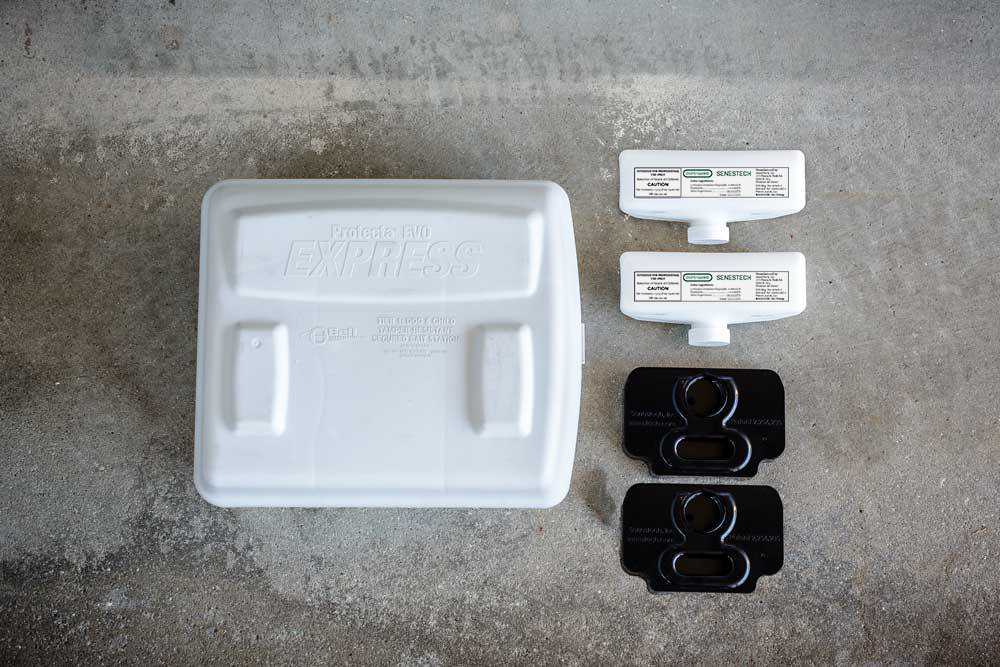
The WCG board has agreed to test out a new solution to an age-old problem. The locked grey boxes you will see in the garden are drinking stations for our garden rodent friends. Active chemicals in the drink will make them infertile-- unable to impregnate or bear young. We are hoping that these boxes, along with our attempts to secure fencing and clear overgrown plots and farm rows, will reduce the pest damage we have seen this year.


Garden Growers

People in the Garden

Meet the new Farm Manager, Mackenzie Perkins


New farm manager Mackenzie has been working in agriculture for 12 years on vegetable farms, cut flower farms, and retail and wholesale nurseries. A Louisiana native, she relocated to Richmond Virginia in 2014 and started her own small cut flower farm in 2017 called Boots and Shoots located in Chesterfield County. When she's not farming she enjoys spending time with her three dogs, kayaking and white water rafting on the James River, hiking and camping, and cooking. She's excited to be working with vegetables again and especially loves pickling all the veggies. 

Monday, August 16, 2021

August 2021

 What to Plant When?

We’ve made it to August. And the Garden is pretty tired, as are the Gardeners. But this is no time to take a rest. It is time to put in your fall crops! Virginia Tech extension says that you can plant these crops from seed now: Beets, Carrots, Collards, Kohlrabi, Lettuce, Mustard, Radish, Summer squash, and Turnips. You can also set out transplants of: Broccoli, Brussel Sprouts, Cabbage, Chinese Cabbage, Cauliflower, and Leeks. The weather is SOOO hot that you might want to wait until the next cold spell/rainy day or put row cover over your tender transplants to protect them from the sun. And be sure to keep new seeds watered while they are germinating. But we have lots of growing season left!


Hot Work Party Saturday!

But many, many thanks to the troopers who came out: Ron Holt, Mike Perelman, Kris Marshall, Karen Thomas, Randi Helpinstill, Amy Hoag, and Nathan Moore. Grass was mown, a big hole in the fence was repaired, cardboard and hardwood mulch were deployed on the pathways, and the Blackberry Warriors did battle with the overgrown brambles. The next scheduled Work Party is Saturday, September 11. 


The TOMATO

 A Plethora is not Too Many


By Martin Mathes  

Professor emeritus, Department of Biology      

College of William and Mary    


Our tomatoes had their origin in the New World in the Pre-Columbian era of South America.   dating from the Paleolithic Era through European colonization by Columbus.  It is believed that Mexico was the site of domestication of the husk tomato (Tomatillo)  which was originally derived from ancient (52 million B.P - calendar years before present)  fossil species.  The native Mexican word for tomato is tomatl which was cultivated by the Aztecs  2000 years ago.  Our cherry tomatoes are the most similar to their ancient relatives.

The first mention of the New World tomato was by the Italian, Mattiol in 1544, who suggested aphrodisiac properties. The Old World in Southern Europe quickly accepted tomatoes into their cuisine.  In France they were known as love apples while the British admired tomatoes for their beauty but thought they were poisonous. In fact, the acidity of tomatoes would leach the lead out of pewter plates used by the aristocracy, causing deaths due to lead poisoning. No one connected the plate with the poison at the time.The tomatoes were blamed and were nicknamed “poison apples”.

In 1710, Salmon first reported the presence of tomatoes in North America and in 1781 Thomas Jefferson noted the exportation of tomato seeds from France.  A circuitous path.

Modern tomatoes are classified in the family Solanaceae, genus Lycopersicon and species Esculentum (hairy wolf peach).  They are related to a wide variety of important genera (including potatoes, eggplants and peppers ) and toxic plants ( deadly nightshade and tobacco).  This deadly reputation of tomatoes was finally dispelled by Colonel Robert Johnson who drew a crowd in Salem, New Jersey, when he  ate a bushel of tomatoes.  He survived this 1820 ordeal and tomatoes were finally accepted into our cuisine.  We enjoy the BLT to this day

The tomato has become one of our most versatile "vegetables".  A  tax on vegetables resulted in a legal challenge when In 1893, the tomato was ruled by the Supreme Court to be a fruit.  Botanically fruits develop from the fertilized flower ovary.  Tomatoes are fruits not vegetables. "Knowledge is knowing that tomato is a fruit while wisdom is not putting it in fruit salad". 

The multitudinous  tomato characters - taste,size, color, disease resistance  etc. have been used in the production of hybrids  and heirloom varieties.  Heirloom varieties of tomatoes  (more than 600) are open pollinated and are preserved by saving seed from year to year.  We eat more than 12 million tons per year, but they add limited nutritional value to our diet.  Raw tomatoes contain 95% water, 18 calories, 0.9 % protein, 3.9% sugar and 1.2% fiber.  This is overshadowed by a significant dietary source of the antioxidant lycopene  (red pigment). Tomatoes love compost which is supplemented with a low nitrogen (12-15-30) fertilizer, Espoma tomato fertilizer or Miracle Gro to name a few.  Generally nitrogen promotes vegetative growth while phosphorus stimulates fruit development.

The development of the tomato fruit depends on the pollination of the individual ovules which form seeds.  The pollination process (transfer of pollen) is generally self (from the same plant) and depends on the shaking from wind or insects (usually bees).  Growing tomatoes in the greenhouse requires the artificial transfer of pollen from the stamen to the stigma.  This can be accomplished  by manual vibration from an old electric toothbrush or commercially available Blossom Set spray.  

The progressive development of the fruit is naturally promoted by the production of ethylene gas  This gas is also commercially used to stimulate fruit ripening after green tomatoes are shipped.  If you have an excess supply of green tomatoes at the end of the growing season, you can wrap the green tomatoes in newspaper (preferably the Wall Street Journal) to trap the natural ethylene gas. 

Record tomato fruits range from 10 pounds 2-7 ounces (Dan Sutherland in Washington State) to 1/4 ounce.  The best (depending on the source)  eating varieties include Aunt Ruby's German green and Brandywine.  When you buy tomato seeds or plants, be sure to check for virus resistance, growth habit and days to maturity. The growth habit may be indeterminate, which continues growth through the growing season, and the determinate (Patio and others) which stops growth when mature. The days to maturity generally range from 60 to 80 days but may be as short as 45 days. It is difficult to think of anything unpleasant while eating a succulent home grown tomato.       

********************* 

Tomatoes may be propagated using a number of methods. Growing seeds is a sexual method while asexual mehtods include grafting and cuttings. Seeds may be hybrid or heirloom. Over 600 heirloom varieties are produced by open pollination and are preserved, saving the seeds from garden grown tomatoes, from year to year.  Hybrids are the result of controlled cross pollination  of two genetically different plants and growing the seeds that the cross produces. In grafting, a stem section (cutting) will form roots when placed in a moist atmosphere. Hormone powder, such as Rootone, can be used to promote root development. The plant which develops will be exactly like the mother plant. If you have a favorite individual plant, you can maintain exact duplicate plants for numerous growing seasons. If you wish to keep seeds, you should realize that the resulting plants will display genetic variation.  In order to save seeds, make sure that they are very dry before placing them in a tightly sealed jar in the refrigerator. Place a desiccant, such as fresh powdered milk wrapped in a paper towel or a  silica gel packet, in the jar with the seeds. This cold, dry storage, will allow  some seeds to remain viable for up to 15 years. When you use stored seeds, remember to test the % germination. 

Grafting involves the union of two or more selected  related individuals and in some cases, results in rather bizarre plants. For example pomatoes (topatoes) are the result of grafting tomato and potato and will exhibit characteristics of both individuals. They cannot reproduce by seeds and will produce tomatoes on the vine with potatoes growing in the soil. Tomato and tobacco can also be grafted.

A wide variety of insects share our tomatoes.  These include fruitworms, aphids, stink bugs, cutworms and citation sized hornworms, which can be easily removed.  Organic control may be achieved using neem oil or a variety of naturally occuring (for example pyrethrins) chemical  sprays.  Surfactant soaps are also effective.  Many tomato varieties are bred to be resistant to common viruses which are spread by insect vectors such as aphids and thrips.  Blossom end rot is classified as a physiological  "disease" because the causal agent is a nutritional imbalance  between calcium supply and water relations. Fruit cracking and splitting are not caused by pathogens but are the result of heavy rains preceded by dry weather.  This condition develops  when the fruit grows more rapidly than the skin can expand as the fruit begins to ripen. If you would like to control the growth pattern of indeterminate tomato plants, you can use pruning methods.  This involves the removal of suckers and topping the plant.

Acidity is an important factor associated with the flavor of tomatoes.  Tartness is dependent on the presence of a number of organic acids (citric, malic and ascorbic).  In general the ph ranges from 4.0 to 5.0.  High acid tomatoes include Big Girl and low acid is found in Lemon Boy and other yellow varieties.  New varieties, with properties such as acidity, drought resistance, salt tolerance, flavor, etc., are explored at a variety of research centers - California Tomato Research Institute and the C.R. Rick Tomato Genetics Resource Center.  Nothing better than perusing new varieties listed in the first spring seed catalogs  on a cold, dreary winter night.

If you wish to "put away" tomatoes you can use the canning methods to preserve an endless variety of recipes.  Tomatoes, blanched to remove the skins, may also be frozen.  The skinless tomatoes can be placed in plastic bags and frozen. The flavor can be retained for up to 12 months.

"You need the entire life to know just about tomatoes" -- Ferran Adr


Would Have, Could Have, Should Have

Lessons Learned Over the Past Year

By Elvin and Kay Clapp


We joined the Williamsburg Community Growers about a year ago. Both our parents had one-acre gardens. Our grandparents were full time farmers who also had large gardens about ¼ mile “down the road.” For 4 years, we tried a garden box amongst the trees in our backyard, but the trees won! We became JCC/Williamsburg Master Gardeners in 2019 and were armed with volumes of garden book knowledge. With such a legacy, we thought all we had to do at WCG was to spread a little seed, pick up some big box starter plants, and just add water. But it’s been 50 years since we last gardened with our relatives, and most of those “best management practices” have been lost in the brain fog. We needed new dirt under our fingernails. So, we started from scratch a year ago at WCG.

We offer these lessons and tips as you plan for the fall and 2022. As always, refer to excellent resources at the regional land grant universities such as Virginia Tech, N. C. State, and the University of Maryland. Their extension service publications are written for beginning and intermediate gardeners.

Lessons Learned:

  • Become one with your plot early on in the spring. We talked with a few other plot owners about how they prepared their soil last season.
  • Pay attention to the experts. Justin Diaz’s WCG presentation early last March got us off to a good bed preparation start.
  • Buy good seed and healthy starter plants. The big box stores’ may be cheaper, but local nurseries may be better. Ask the nursery where they got their plants. Local is better than Florida.
  • Limit the number of plants. We set 16 tomato plants in a 5’ by 10’ space. It was a jungle out there and difficult to weed and harvest the fruit. Plus, planting too close together limits air circulation which can contribute to disease.
  • Pay close attention to Jack Frost. We (Elvin) became impatient and planted the peppers and tomatoes exactly on the day of the average frost. He was lucky, but we should have waited until two weeks after the average last killing frost day of April 15.
  • Place your plant tags in the ground, so you know what varieties were successful and tasted really good. We had some excellent tomatoes this year but got the tags mixed up at planting - so it’s a guessing game as to what worked well or tasted better.
  • Put straw, leaves, or other weed inhibitors down before the plants get too big. We added straw after the cages or other supports were in the ground – no fun. In addition to inhibiting weeds, mulches also keep soil from splashing up on your plants bringing disease.
  • Speaking of cages, we placed our tomato cages after the plants were fairly tall and ended up “forcing” and bruising the branches up through the cages.
  • Weed before the weeds look you in the eye. It is easier to pull a one-inch weed compared to a “bunch” of two-foot weeds. Our walkway got out of hand at mid-season and it was uphill from thereon. And the last thing you want is for those weeds to put out seeds.
  • Don’t overwater. Just because Charlie has given all of us a continuous source of H2O at your fingertips, that doesn’t mean we should drown our plants. Watering deeper is better than watering frequently.
  • We learned to attend to our plot early in morning or late in afternoon, especially during our July and August sauna period.
  • Don’t wait too long to harvest. Eating okra or beans the consistency of shoe leather is not very appetizing.
  • Keep a clean plot. Dead fruit left on the vine or on the ground attracts fungus, insects, rodents, and nasty stares from your neighbors.
  • Take pictures and keep a log of when and how you tended to your garden.
  • Cultivate good friends. Get to know your neighbors and ask them what is working well. Exchange advice, veggies, and flowers.

And most of all, don’t give up. If the weather, bugs, and animals do not cooperate, accept it for what it is and move on “down the row.” Community gardening benefits go beyond the mere production of quality vegetables and flowers. It is a social and psychological haven for you, your family, and friends. And don’t forget to have fun so that your garden draws you back each season to a cornucopia of experiences to share with others.

 Additional References:

Vegetable Gardening: A Beginner's Guide Vegetable Gardening: A Beginner's Guide | NC State Extension Publications (ncsu.edu)

Home Vegetable Gardening  Home Vegetable Gardening | Virginia Cooperative Extension | Virginia Tech (vt.edu)

Vegetable Gardening  Vegetable Gardening | Cooperative Extension | University of Delaware (udel.edu)

Don’t make these 15 Common Garden Mistakes   Don’t make these 15 Common Garden Mistakes - Lovely Greens


About Grafted Tomatoes

By Barbara Arnold


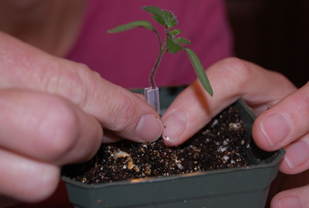
Last spring, as we were preparing for the warm-season plant sale, we grew some Purple Cherokee plants and some rootstock plants named Maxifort. When the sprouts were the right size, Sally Hewittand I grafted them together in my basement. Though we didn’t produce a large quantity, we did offer a few for sale. So, what is the idea behind grafted tomatoes and how did they do in comparison to ungrafted heirlooms?


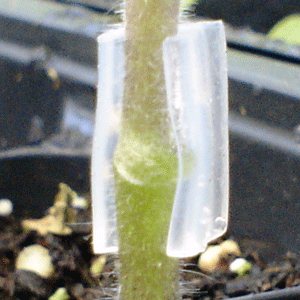
WHAT ARE THEY? Grafted tomatoes combine the vigor and disease resistance of a strong root stock with the outstanding flavor of an heirloom tomato that may not be as productive alone. The top of the root stock is removed and replaced with the top of the heirloom, called the scion. Then the tomatoes are placed in a healing chamber at specific temperature and humidity conditions until the graft has healed.


IS THIS GENETIC ENGINEERING? Not at all. It is simply a change in the plumbing. The top of the plant retains the exact genetics of the original heirloom plant. It is just receiving more nutrients and disease resistant qualities from the stronger root stock. Grafted tomatoes have been shown to produce significantly more and larger fruit. More production in the same space in your garden, who wouldn’t want that!


HOW DO I CARE FOR THEM? Grafted plants should be planted so that the graft remains above the soil level. You do not want the scion (upper part of the plant) to root or you lose the plant’s resistance to soil-borne disease. Remove any suckers (shoots or leaves) that appear below the graft or roots that appear above the graft. Provide support and prune carefully. These are indeterminate tomatoes (will continue to grow in height and produce fruit all season).


HOW DID GRAFTED TOMATOES DO IN OUR GARDEN THIS SEASON? We planted 3 grafted tomatoes this year; 2 purchased from a catalog (one Purple Cherokee and one Mortgage Lifter) and one Purple Cherokee that we grafted ourselves onto a Maxifort rootstock. We then planted one of each variety, not grafted, for comparison. They all received the same water and fertilizer regimen.


The 3 Purple Cherokee grew all together and into each other so it was difficult to see which was producing the best fruit. They were very productive. They did get some blight, but it was later in the season and in mid-August they still have green leaves and some green fruit coming. 


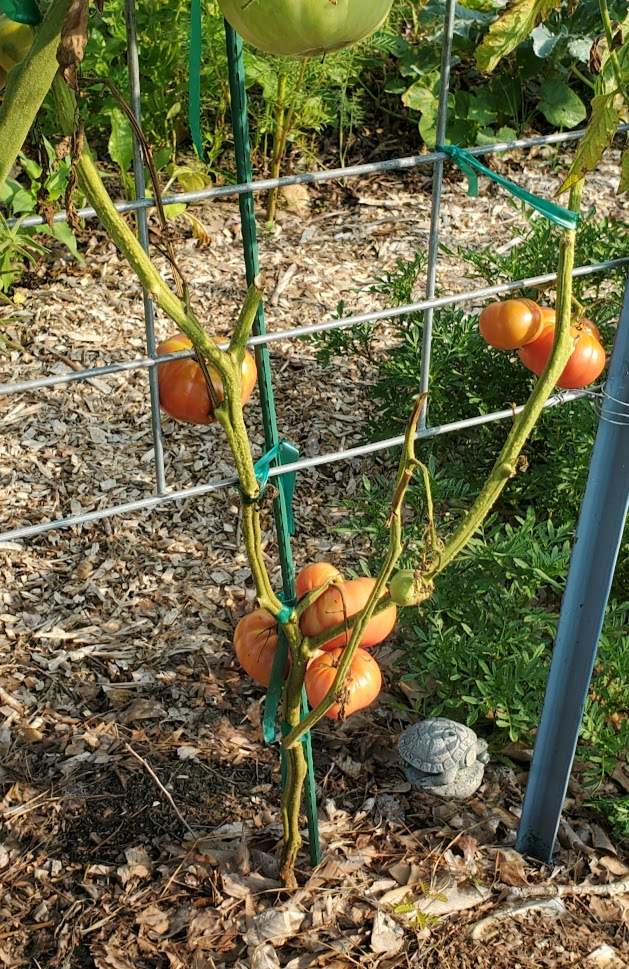
The picture below shows the ungrafted Mortgage Lifter. It was not as vigorous a plant as the grafted one and it succumbed to early blight quite quickly. We believe that we harvested about 10 tomatoes from this plant.


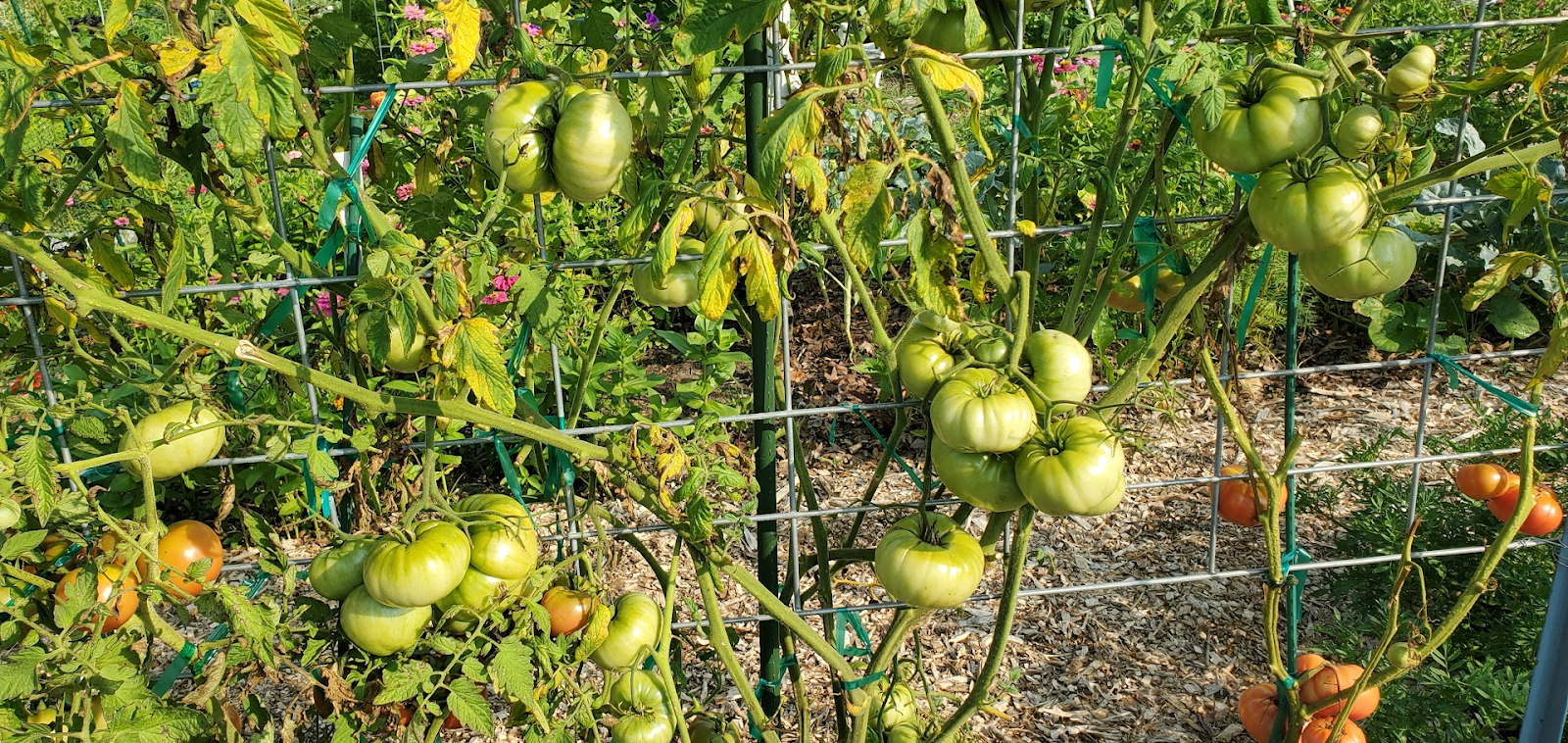
Now take a look at the grafted Mortgage Lifter, below. It also got early blight, but it was much later in the season. The plant was VERY vigorous and produced 47 tomatoes!


In our opinion, the extra expense and effort of grafted tomatoes really paid off. Sally Hewitt and I will, in all likelihood, try our hand at grafting next year again. If we are successful, we will again offer them for sale at the Warm Season Plant Sale probably for $10. 


Or you can buy them from a seed catalog, if you order early enough. Grafted tomato plants are offered by Totally Tomatoes, Jung Seed, Vermont Bean, and Territorial Seed, among others, and the price is usually $12.95/plant. They tend to sell out by February. You may want to give them a try.


What's Happening!

November 2022

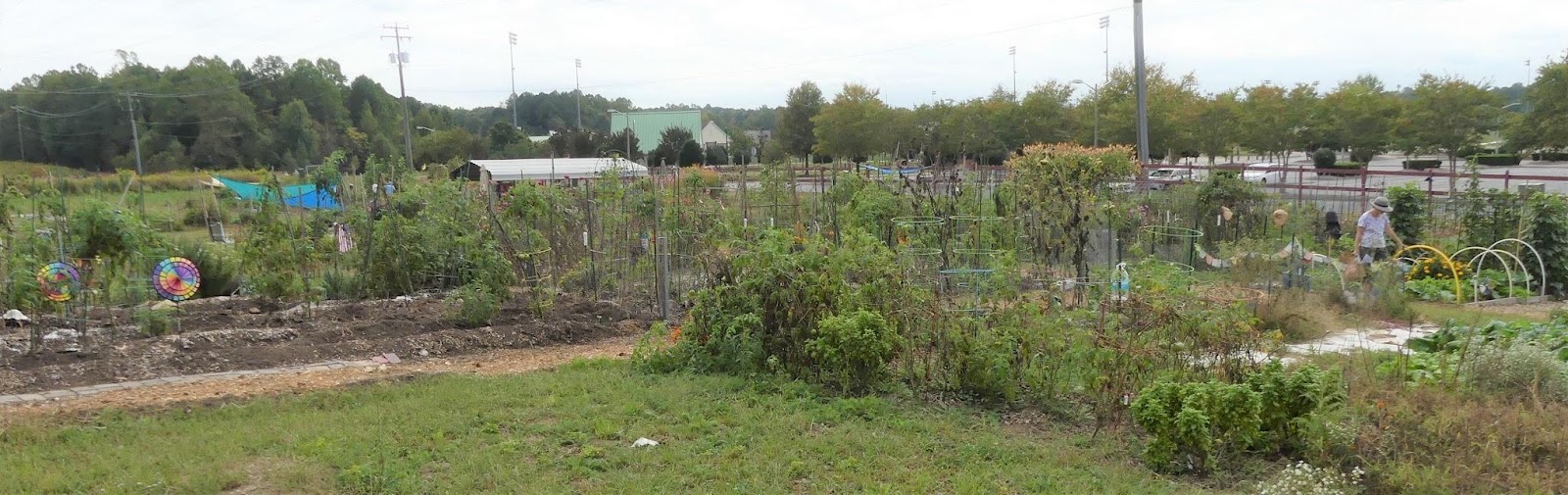
These images highlight how far we have come since 2018 and plans for the future. The hard work and dedication of our volunteers and growers ...